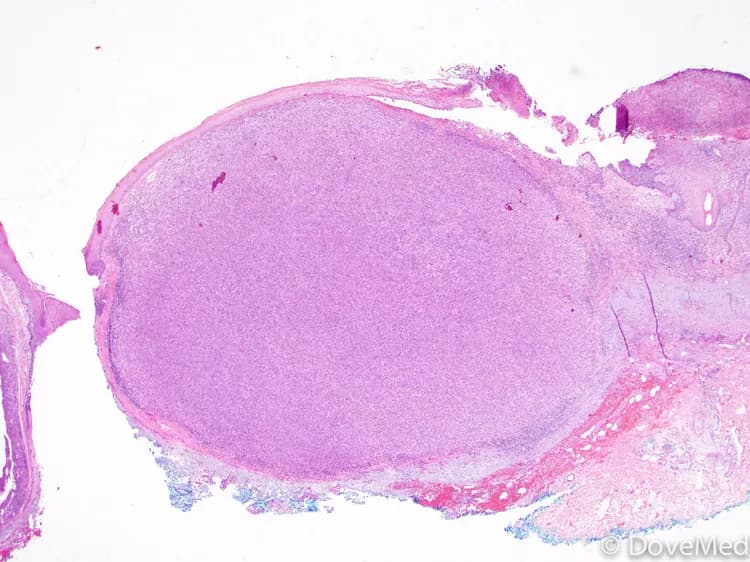
Melanoma is a type of skin cancer that develops in melanocytes, the cells that produce melanin, which is the pigment that gives the skin its color. Melanoma can also occur in the eyes and, rarely, in internal organs, such as the intestines.
There are various systems for classifying melanoma, with the most widely used being the American Joint Committee on Cancer (AJCC) system, which is based on the TNM system. This system considers the primary tumor (T), the involvement of regional lymph nodes (N), and the presence of distant metastasis (M). The Breslow thickness and Clark level are other important measures used in the staging of melanoma. These factors help determine the stage of the cancer and aid in treatment planning.
The staging system for melanoma is crucial in determining the extent of the cancer, aiding in prognosis, and guiding treatment decisions. The most widely used staging system for melanoma is the American Joint Committee on Cancer (AJCC) staging system, which is based on the TNM classification. The components of the TNM system are as follows:
- Tumor (T): The T category describes the extent of the primary tumor. It considers factors such as the thickness of the tumor (Breslow thickness), ulceration, and mitotic rate. The Breslow thickness is measured from the top of the skin to the deepest part of the tumor. The thicker the tumor, the more advanced the stage.
- Regional lymph nodes (N): The N category indicates whether the cancer has spread to nearby lymph nodes. The presence, number, and location of involved lymph nodes are taken into account.
- Metastasis (M): The M category shows whether the cancer has spread to distant organs or tissues. Melanoma commonly spreads to distant sites such as the lungs, liver, brain, and bones.
Using the TNM components, the AJCC staging system assigns a stage from 0 to IV, with subcategories further classifying the stage. The stages are as follows:
- Stage 0: Melanoma in situ. The cancer cells are present only in the outer layer of the skin and have not invaded deeper layers.
- Stage I: The tumor is still localized and has not spread to lymph nodes or other sites. It is divided into sub-stages based on tumor thickness and ulceration.
- Stage II: The tumor may be thicker than in Stage I, and it might or might not have ulceration. It has not spread to the lymph nodes or other sites.
- Stage III: Cancer has spread to nearby lymph nodes or lymphatic channels but has not reached distant sites.
- Stage IV: The cancer has spread to distant organs, such as the lungs, liver, brain, or bones. Stage IV is further divided into sub-stages based on the extent of the spread.
Staging is essential in determining the appropriate treatment approach. Treatment options may include surgical excision, lymph node dissection, radiation therapy, chemotherapy, targeted therapy, immunotherapy, or a combination of these, depending on the stage and specific characteristics of the melanoma. Regular follow-up is necessary to monitor for any signs of recurrence or metastasis. Early detection and treatment significantly improve the prognosis for melanoma patients.
There are several subtypes of melanoma, the two main types being Cutaneous Melanoma and Mucosal Melanoma.
Cutaneous Melanoma: Cutaneous melanoma develops in the skin and is the most common type of melanoma. It typically arises from exposure to ultraviolet (UV) radiation from the sun or tanning beds. There are several subtypes of cutaneous melanoma, including:
- Superficial spreading melanoma: This is the most common subtype, characterized by horizontal growth before penetrating more deeply into the skin.
- Nodular melanoma: This type grows more rapidly and presents as a nodule rather than a flat lesion.
- Lentigo maligna melanoma: This often occurs in older individuals and typically develops on sun-damaged skin, such as the face and neck.
- Acral lentiginous melanoma: This is a rare subtype that occurs on the palms, soles, or under the nails. It is more common in individuals with darker skin.
Mucosal Melanoma: Mucosal melanoma develops in the mucous membranes of the body, such as the sinuses, nasal passages, mouth, vagina, and anus. It is a rare and aggressive type of melanoma that is often diagnosed at a later stage, making treatment challenging. Mucosal melanoma is not strongly associated with UV radiation exposure. Symptoms can vary depending on the location of the tumor, and the prognosis is generally poorer compared to cutaneous melanoma.
It is essential to consult with a healthcare professional for a proper evaluation and diagnosis if any symptoms or changes in the skin are suspected. Early detection is crucial for successful treatment and improved outcomes. Treatment options may include surgery, radiation therapy, chemotherapy, targeted therapy, immunotherapy, or a combination of these, depending on the type and stage of melanoma.
Breslow Classification of Melanoma:
Breslow thickness is a key component in the staging of melanoma. It is a measurement that determines the depth of invasion of the melanoma into the skin. The Breslow classification, named after the pathologist Alexander Breslow, is used to assess the thickness of the melanoma, providing valuable information for staging and predicting the prognosis of the disease.
The Breslow thickness is measured in millimeters and is determined by examining the melanoma under a microscope and measuring the depth from the top of the skin to the deepest point of invasion by the tumor cells. A thinner Breslow thickness generally indicates a better prognosis, as it suggests that the tumor has not penetrated deeply into the skin or spread to other parts of the body.
The Breslow classification is an important component of the TNM staging system for melanoma, as it helps determine the stage of the cancer and influences the treatment approach. A lower Breslow thickness is associated with early-stage melanoma, while a higher Breslow thickness suggests a more advanced stage of the disease, which may require more aggressive treatment and monitoring.
It is important to note that the Breslow thickness is just one of the factors considered in the overall staging of melanoma. Other factors, such as ulceration and mitotic rate, are also considered to determine the disease's stage and prognosis. Regular skin examinations and early detection are crucial for identifying melanoma at an early stage when it is most treatable. If there are any concerns about changes in one’s skin, it is important to consult with a healthcare professional for a comprehensive evaluation.
Are all Skin Cancers Melanomas?
No, not all skin cancers are melanomas. There are several types of skin cancer, each arising from different cells within the skin. The three main types of skin cancer are basal cell carcinoma, squamous cell carcinoma, and melanoma. While melanoma is one type of skin cancer, it is relatively less common than basal cell carcinoma and squamous cell carcinoma but is more aggressive and has a higher potential to spread to other parts of the body if not detected and treated early.
- Basal cell carcinoma (BCC): This is the most common type of skin cancer, typically developing in the basal cells located in the lowest layer of the epidermis. BCC usually appears as a waxy bump or a flat, flesh-colored, or brown scar-like lesion. It is generally slow-growing and rarely spreads to other parts of the body.
- Squamous cell carcinoma (SCC): SCC is the second most common type of skin cancer. It develops in the squamous cells found in the upper layers of the epidermis. SCC often looks like a red firm bump, a scaly patch, or a sore that heals and reopens. It has a higher chance of spreading compared to BCC, particularly if not treated promptly.
- Melanoma: Melanoma originates from melanocytes, the pigment-producing cells in the skin. It can develop from an existing mole or as a new lesion. Melanoma can appear as an irregularly shaped mole with uneven borders and a variety of colors. It is more likely to spread to other parts of the body and can be life-threatening if not detected and treated early.
Regular skin examinations and awareness of any changes in the skin, including the appearance of new moles, changes in the size, shape, or color of existing moles, or the development of sores that do not heal, are important for early detection and prompt treatment of any potential skin cancer. If any suspicious changes in the skin are noticed, it is crucial to consult a healthcare professional for a thorough evaluation and appropriate management.
Here is a list of different Melanoma types with a brief description for each one of them:
Mucosal Melanoma: Mucosal melanoma is a rare and aggressive type of melanoma that occurs in the mucous membranes of the body, such as the sinuses, nasal passages, mouth, vagina, and anus. Its exact cause is unknown; the symptoms can include bleeding, pain, or lumps in the affected area. Treatment often involves surgery, radiation therapy, and sometimes chemotherapy. Prognosis can be challenging due to late diagnosis and the aggressive nature of the disease.
Digestive System Melanoma: Digestive system melanoma refers to melanoma that develops in the digestive tract, such as the esophagus, stomach, or intestines. It is a rare form of cancer with symptoms including abdominal pain, blood in stools, and changes in bowel habits. Treatment typically involves surgery, chemotherapy, and targeted therapy. Early detection is crucial for improved prognosis.
Metastatic Melanoma: Metastatic melanoma is a type of skin cancer that has spread from its original location to other parts of the body. It commonly spreads to the lymph nodes, lungs, liver, brain, and bones. Treatment may include surgery, radiation therapy, immunotherapy, and targeted therapy, depending on the location and extent of the metastasis. The prognosis depends on the stage of the cancer and the response to treatment. Early detection and prompt treatment are essential for improving outcomes.
Oral Malignant Melanoma: Oral malignant melanoma is a rare type of cancer that affects the oral cavity, including the gums, palate, and tongue. It may appear as dark patches, ulcers, or lumps in the mouth. The exact cause is unknown, and treatment often involves surgery, radiation therapy, and sometimes chemotherapy. Early diagnosis and treatment are crucial for improving the prognosis and outcomes.
Primary Melanoma of Lung: Primary lung melanoma is an uncommon form of lung cancer originating from the cells that produce pigment. It may present with symptoms such as coughing, chest pain, and shortness of breath. Treatment usually involves surgery, radiation therapy, and targeted therapy. Early detection and prompt treatment are important for improving the prognosis and survival rate.
Melanoma of Unknown Primary: Melanoma of unknown primary refers to melanoma that has spread to other parts of the body, but the primary site of the cancer cannot be identified. It presents challenges in treatment and prognosis. Management typically involves a combination of surgery, chemotherapy, immunotherapy, and targeted therapy. Regular follow-up is essential to monitor for any signs of recurrence or new metastasis.
Melanoma of Skin (Cutaneous Melanoma): Cutaneous melanoma is the most common type of melanoma, originating in the skin's pigment-producing cells. It often appears as a changing mole or pigmented lesion on the skin, with irregular borders and various colors. Risk factors include UV radiation exposure and a history of sunburn. Treatment involves surgical excision, with additional therapies such as chemotherapy, immunotherapy, and targeted therapy for advanced cases.
Melanoma In Situ of Skin: Melanoma in situ refers to early-stage melanoma that is confined to the top layer of the skin and has not invaded deeper layers or spread to other tissues. It is highly treatable, usually requiring surgical excision. Regular skin examinations and sun protection are crucial to prevent the progression to invasive melanoma.
Superficial Spreading Melanoma of Skin: Superficial spreading melanoma is the most common subtype of melanoma, characterized by horizontal growth before penetrating more deeply into the skin. It typically appears as an irregularly shaped, flat, or slightly raised lesion with uneven borders and variations in color. Early detection and surgical removal are crucial for better outcomes.
Nodular Melanoma of Skin: Nodular melanoma is a more aggressive subtype of melanoma that grows more rapidly and presents as a raised nodule. It is often blue-black or reddish in color and may bleed or ulcerate. Early diagnosis and prompt treatment are crucial due to its rapid growth and higher potential for metastasis.
Lentigo Maligna Melanoma of Skin: Lentigo maligna melanoma is a subtype of melanoma that typically occurs in older individuals on sun-damaged skin, such as the face and neck. It begins as a slow-growing, flat, tan-to-brown patch with uneven borders. Early detection and surgical management are vital to prevent its progression to invasive melanoma.
Acral Lentiginous Melanoma of Skin: Acral lentiginous melanoma is a rare subtype that occurs on the palms, soles, or under the nails. It is not related to sun exposure and is more common in individuals with darker skin. It may appear as a dark lesion or an area of discoloration. Early diagnosis and appropriate management are crucial for improving the prognosis.
Melanoma of Nail Unit: Melanoma of the nail unit is a rare form of melanoma that develops in the tissues surrounding the nail. It may appear as a dark streak, a lump, or discoloration of the nail. Treatment often involves surgical excision and, in some cases, amputation of the affected digit. Regular self-examination of the nails and timely medical evaluation are important for early detection and management.
Periungual Melanoma: Periungual melanoma is a subtype of melanoma that occurs near the nails and nail bed. It may appear as a dark streak, a lump, or discoloration around the nail. Early diagnosis and appropriate treatment are crucial for preventing the spread of the cancer and preserving the function of the affected digit.
Subungual Melanoma: Subungual melanoma is a rare type of melanoma that develops beneath the nail. It can cause pigmentation, nail discoloration, or nail deformity. Timely diagnosis and treatment, often involving surgical removal, are crucial for preventing the spread of cancer and preserving the function of the affected digit.
Ungual Melanoma: Ungual melanoma refers to melanoma that affects the nail apparatus, including the nail matrix, nail bed, and surrounding tissues. It may present as changes in the nail's color, shape, or texture. Early detection and appropriate management are essential for improving the prognosis and preserving the function of the affected digit.
Melanomas with Pathologic Variations: Melanomas can exhibit various pathologic variations, each with unique characteristics and implications for prognosis and treatment. These variations may include cutaneous minimal deviation melanoma, desmoplastic melanoma, melanoma arising from a blue nevus, melanoma arising in a giant congenital nevus, nevoid melanoma of the skin, small cell melanoma of the skin, Spitzoid melanoma of the skin, amelanotic melanoma, and pediatric melanoma. Diagnosis and treatment should be tailored to each subtype's specific characteristics and behavior for optimal management and outcomes.
Cutaneous Minimal Deviation Melanoma (Minimal Deviation Melanoma of Skin): Cutaneous minimal deviation melanoma is a rare subtype of melanoma that appears similar to a benign mole, making it difficult to diagnose. Its exact cause is unknown, and it may manifest as a slowly growing pigmented lesion on the skin. Treatment usually involves surgical excision with careful monitoring for any signs of recurrence.
Desmoplastic Melanoma of Skin: Desmoplastic melanoma is a rare subtype of melanoma characterized by dense fibrous tissue in the tumor, making it challenging to diagnose. It may appear as a firm, flesh-colored or bluish nodule on the skin. Early detection and accurate diagnosis are crucial for appropriate management, which typically involves surgical excision and sometimes radiation therapy.
Melanoma arising from Blue Nevus: Melanoma arising from a blue nevus is a rare form of melanoma that develops within a pre-existing blue nevus, a type of benign skin lesion. It may appear as a darkly pigmented, irregularly shaped lesion. Early detection and complete surgical removal are essential to prevent the spread of cancer and improve the prognosis.
Melanoma arising in Giant Congenital Nevus: Melanoma arising in a giant congenital nevus is a rare type of melanoma that develops from a large, pigmented birthmark present at birth. It requires close monitoring throughout life, as it carries an increased risk of developing into a melanoma. Treatment often involves surgical excision, and regular follow-up is essential for detecting any changes or recurrence early.
Nevoid Melanoma of Skin: Nevoid melanoma is a rare and aggressive subtype of melanoma that resembles a benign mole, making it challenging to distinguish from non-cancerous moles. It may appear as a changing, irregularly pigmented lesion on the skin. Early detection and prompt surgical treatment are crucial for improving the prognosis and preventing the spread of the cancer.
Small Cell Melanoma of Skin: Small cell melanoma is a rare and aggressive subtype of melanoma characterized by small, uniform cancer cells. It may appear as a rapidly growing, darkly pigmented lesion on the skin. Early diagnosis and aggressive treatment, typically involving surgical excision and sometimes additional therapies like chemotherapy and radiation, are crucial for improving outcomes.
Spitzoid Melanoma of Skin: Spitzoid melanoma is a rare subtype of melanoma that resembles Spitz nevi, which are usually benign skin lesions. It may appear as a pink, red, or brown nodule or bump on the skin. Due to its resemblance to benign lesions, accurate diagnosis can be challenging, necessitating close monitoring and, in many cases, surgical removal with careful evaluation for any signs of recurrence.
Amelanotic Melanoma: Amelanotic melanoma is a rare subtype of melanoma that lacks the typical pigmentation seen in most melanomas, making it difficult to diagnose. It may appear as a flesh-colored or pinkish nodule or lesion on the skin. Early detection and accurate diagnosis are critical, as treatment often involves surgical excision, with additional therapies depending on the specific characteristics and stage of the cancer.
Pediatric Melanoma: Pediatric melanoma is a rare form of melanoma that occurs in children and adolescents. It may appear as a changing mole or pigmented lesion on the skin. Early detection and prompt treatment, usually involving surgical excision, are crucial for improving outcomes. Close monitoring and sun protection are essential for reducing the risk of developing melanoma in childhood and adolescence.
Familial Atypical Multiple-Mole Melanoma (FAMMM) Syndrome is a rare familial form of melanoma. Patients affected by this condition have numerous large, irregularly pigmented, and irregularly outlined moles (nevi), most of which meet some of the criteria for suspicion of melanoma. Members of families with this syndrome have an extremely high risk of developing cutaneous melanoma. Very close clinical follow-up, documentation of changes in the many moles, and many excisional biopsies to exclude melanoma as a diagnosis or remove evolving melanomas early when the prognosis is better. Some of these patients have many melanomas.
Ocular Melanoma: Ocular melanoma is a rare type of melanoma that develops in the eye, particularly in the uvea, which is the middle layer of the eye. It can also occur in the conjunctiva, which covers the white part of the eye. Ocular melanoma may cause changes in vision, eye pain, or the appearance of dark spots on the eye. Treatment may involve surgery, radiation therapy, and sometimes targeted therapy. Regular eye examinations are important for early detection and management.


Related Articles
Test Your Knowledge
Asked by users
Related Centers
Related Specialties
Related Physicians
Related Procedures
Related Resources
Join DoveHubs
and connect with fellow professionals
0 Comments
Please log in to post a comment.