What are the other Names for this Condition? (Also known as/Synonyms)
- Traumatic Alopecia
What is Traction Alopecia? (Definition/Background Information)
- Traction Alopecia is an acquired condition causing hair loss due to prolonged “traction” or the application of pulling force on hair. The mechanical pulling force may be generated by wearing tight ponytails, braids, long hair, or use of hair extensions
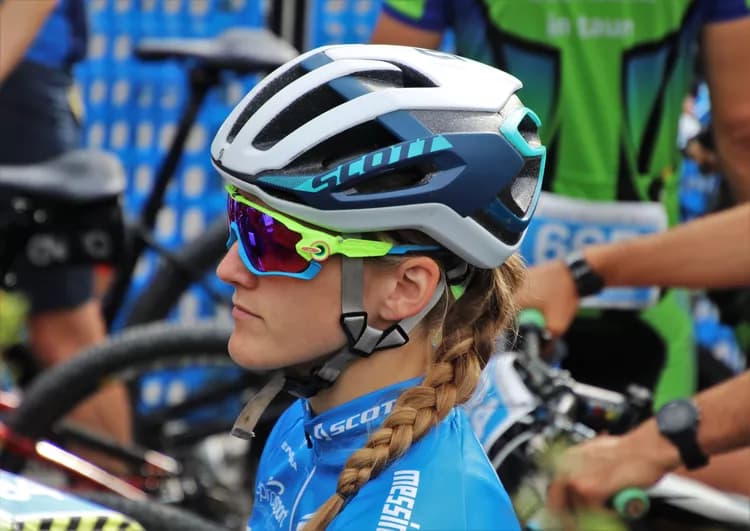
- It may also occur from the use of compressive headgear or helmets. Traction Alopecia can be prevented by avoiding hairstyle practices that place undue stress on the scalp. The outcomes are good with early recognition and management of the condition
Who gets Traction Alopecia? (Age and Sex Distribution)
- Traction Alopecia may be observed in both children and adults
- Both males and females are affected; the condition may be more common in females than males
- Worldwide, there is no racial or ethnic preference observed. A higher incidence is observed among African or African-American women and Sikh men (belonging to India)
What are the Risk Factors for Traction Alopecia? (Predisposing Factors)
The risk factors for Traction Alopecia may include:
- Repetitively wearing tight braids or ponytails, which may also be due to cultural traditions or dancing/modeling requirements
- History of using certain popular hairstyles, such as chignon (knotted hair), dreadlocks (rope-like strands), hair braiding, etc.
- Use of hair extensions and weaves
- Maintaining long hair (heavy hair pulls at the roots)
- Use of certain headgear, such as tight helmets for sports or tight turbans as part of one’s religion/culture, for prolonged periods
- Use of certain hair cosmetics (dyes and hair relaxer chemicals)
It is important to note that having a risk factor does not mean that one will get the condition. A risk factor increases one’s chances of getting a condition compared to an individual without the risk factors. Some risk factors are more important than others.
Also, not having a risk factor does not mean that an individual will not get the condition. It is always important to discuss the effect of risk factors with your healthcare provider.
What are the Causes of Traction Alopecia? (Etiology)
Traction Alopecia is caused from subjecting hair to chronic and repetitive mechanical stress such as a pulling force/traction. It is an acquired form of hair loss and is also known as Traumatic Alopecia. The common causes include:
- Tight hairstyles
- Use of constricting headgear
- Long hair
- Hair chemicals
The hair on scalp is most commonly affected, but Traction Alopecia may involve the beard and moustache too.
What are the Signs and Symptoms of Traction Alopecia?
The signs and symptoms of Traction Alopecia may include:
- Presence of itching and redness
- Formation of scales
- Inflammation of hair follicles (folliculitis)
- Pus-filled blisters
- Broken hair and thinning of hair
- Hair loss
- Scarring is not generally noted
Any scalp region may be affected, and this depends on the persistent type of one’s hairstyle or choice of headdress.
How is Traction Alopecia Diagnosed?
A diagnosis of Traction Alopecia may involve the following exams and procedures:
- Physical examination of the individual and medical history evaluation; in many cases, a visual examination of scalp and investigation of one’s hairstyle/headgear habits may be sufficient to diagnose Traction Alopecia
- Dermoscopy: Dermoscopy is a diagnostic tool where a dermatologist examines the skin using a special magnified lens
- Wood’s lamp examination: In this procedure, the healthcare provider examines the skin using ultraviolet light. It is performed to examine the change in skin pigmentation
- Skin biopsy, if needed: A skin tissue biopsy is performed and sent to a laboratory for a pathological examination. The pathologist examines the biopsy under a microscope. After putting together clinical findings, special studies on tissues (if needed) and with microscope findings, the pathologist arrives at a definitive diagnosis. A biopsy may provide information to the healthcare provider about the stage of the condition (whether it is early stage or late stage)
Many clinical conditions may have similar signs and symptoms. Your healthcare provider may perform additional tests to rule out other clinical conditions to arrive at a definitive diagnosis.
What are the possible Complications of Traction Alopecia?
The possible complications due to Traction Alopecia include:
- Emotional stress due to cosmetic issues
- Superimposed bacterial and fungal skin infections
- Permanent thinning of hair and total hair loss
- Recurrence of the condition
- Treatment complications
How is Traction Alopecia Treated?
The treatment measures available for Traction Alopecia include:
- Proper hair care:
- The most important step is to stop hairstyle practices that can worsen the condition
- Maintain reasonable length of hair, keep hair loose
- Avoid harsh hair creams, dyes, and other chemicals
- If necessary, the healthcare provider may recommend the following:
- Administration of topical or intralesional corticosteroids
- For superimposed infections, if any observed, antibiotic therapy or antifungal agents may be advised
- Biotin supplements
- Topical minoxidil solution
- Hair replacement/restoration procedures may be necessary in some cases
How can Traction Alopecia be Prevented?
Traction Alopecia may be prevented by considering the following steps:
- Avoiding hairstyles that constantly pull at the hair
- Maintaining an optimum length of hair since long hair may put pressure (create traction) on the hair roots
- Avoiding compressive headgear for prolonged periods
- Avoiding hair chemicals that may be harsh on the scalp
What is the Prognosis of Traction Alopecia? (Outcomes/Resolutions)
- The prognosis of Traction Alopecia depends on the duration and severity of the condition, but is generally good with adequate treatment, including proper hair care
- However, once Traction Alopecia has permanently affected the hair, regrowth is not likely to take place
Additional and Relevant Useful Information for Traction Alopecia:
The following DoveMed website link is a useful resource for additional information:


Related Articles
Test Your Knowledge
Asked by users
Related Centers
Related Specialties
Related Physicians
Related Procedures
Related Resources
Join DoveHubs
and connect with fellow professionals
0 Comments
Please log in to post a comment.